%2Ffit-in%2F250x250%2Fguide_websites%2F28616%2Fimages%2F1773359115669gemini_generated_image_694sbx694sbx694s-removebg-preview.png&w=1920&q=100)
/users/cb97fdb7-43d3-4051-8992-9e699c683f72/ratecard/587305649_18547107499054991_6838817325625088476_n-mmo30003.jpg)
%2F300x300%2Fusers%2Fcb97fdb7-43d3-4051-8992-9e699c683f72%2Fratecard%2F587305649_18547107499054991_6838817325625088476_n-mmo30003.jpg&w=256&q=75)
%2F300x300%2Fusers%2Fcb97fdb7-43d3-4051-8992-9e699c683f72%2Fimages%2Ftarpon-springs-redfish-charter-2626.jpg&w=256&q=75)
%2F300x300%2Fusers%2Fcb97fdb7-43d3-4051-8992-9e699c683f72%2Fimages%2Fspeckled-trout-tarpon-springs-catch-2751.jpg&w=256&q=75)
%2F300x300%2Fusers%2Fcb97fdb7-43d3-4051-8992-9e699c683f72%2Fimages%2Ftrophy-snook-tarpon-springs-florida-2628.jpg&w=256&q=75)
%2F300x300%2Fusers%2Fcb97fdb7-43d3-4051-8992-9e699c683f72%2Fimages%2Ftarpon-springs-speckled-trout-redfish-2789.jpg&w=256&q=75)
%2F300x300%2Fusers%2Fcb97fdb7-43d3-4051-8992-9e699c683f72%2Fimages%2Fspeckled-trout-tarpon-springs-florida-2649.jpg&w=256&q=75)
%2F300x300%2Fusers%2Fcb97fdb7-43d3-4051-8992-9e699c683f72%2Fimages%2Ftarpon-springs-redfish-catch-2689.jpg&w=256&q=75)
%2F300x300%2Fusers%2Fcb97fdb7-43d3-4051-8992-9e699c683f72%2Fimages%2Ftarpon-springs-redfish-catch-2677.jpg&w=256&q=75)
%2F300x300%2Fusers%2Fcb97fdb7-43d3-4051-8992-9e699c683f72%2Fimages%2Fgag-grouper-double-tarpon-springs-2690.jpg&w=256&q=75)
%2F300x300%2Fusers%2Fcb97fdb7-43d3-4051-8992-9e699c683f72%2Fimages%2Ftarpon-springs-trout-redfish-catch-2692.jpg&w=256&q=75)
%2F300x300%2Fusers%2Fcb97fdb7-43d3-4051-8992-9e699c683f72%2Fimages%2Ftarpon-springs-redfish-catch-2620.jpg&w=256&q=75)
AM Redfish Cobia Charter Tarpon Springs Florida
 Tarpon Springs, FL
What you will be catching:
 Cobia
Cobia Redfish
 Snook
Snook Spotted Weakfish
- This morning inshore charter takes you into the shallow flats and mangrove backwaters around Tarpon Springs, where Redfish, Cobia, Snook, and Speckled Trout cruise the grass beds. You'll fish light tackle in water so clear you can often see your target before casting. During peak season in May and June, we switch gears to sight-cast for massive 80-100 pound Tarpon using live crabs and sardines. The guide handles all the technical stuff and provides coaching whether you're new to saltwater fishing or looking to dial in your flats technique. All gear, tackle, and licenses are covered, and the morning start gives you the best water conditions and fish activity of the day.
Trip Pricing and Availabilities:
Half Day Inshore Redfish and Cobia Charter (AM)
Picture this: you're standing on the bow of a flats boat at first light, scanning the crystal-clear waters around Tarpon Springs as your captain quietly poles into position. The morning sun is just starting to paint the mangroves gold, and you can see nervous water ahead where a school of redfish is tailing in knee-deep water. This is what inshore fishing in Florida is all about – sight fishing for some of the Gulf Coast's most prized species in their natural habitat. Florida Snook Charters has been putting anglers on fish in these waters for years, and this half-day morning trip is designed to give you the best shot at multiple species while the conditions are prime.
What to Expect on the Water
Your morning starts early – and trust me, that's exactly what you want for inshore fishing. We're talking about a world-class fishery where the shallow flats come alive at dawn. You'll be working the grass beds, oyster bars, and mangrove shorelines where redfish, cobia, snook, and speckled trout call home. The beauty of this trip is its flexibility – your captain reads the water and adjusts the game plan based on tides, weather, and what's biting. Some days you'll be sight-casting to tailing reds in 18 inches of water, other times you'll be working deeper cuts for cobia. The guest capacity is limited to just two anglers, which means you get personalized attention and plenty of opportunities to get your line wet. Whether you're a seasoned angler or picking up a rod for the first time, your guide will coach you through the techniques and help you connect with fish. All rods, reels, tackle, and licenses are included, so you just need to bring yourself and maybe a cooler with drinks and snacks.
Light Tackle Techniques
Inshore fishing around Tarpon Springs is all about finesse and presentation. We're talking light spinning tackle – think 2500-3000 series reels spooled with 10-15 pound braid and 20-pound fluorocarbon leaders. Your captain will have you rigged with everything from live shrimp under popping corks to soft plastic paddle tails on jig heads. When the fish are spooky in shallow water, we'll switch to topwater plugs or weedless gold spoons that you can work right through the grass without hanging up. The boat setup is perfect for this style of fishing – a shallow-draft flats boat that can get into places where the big fish feel safe. Your guide uses a push pole to move silently through skinny water, positioning you for the perfect cast without spooking the fish. During peak migration months of May and June, the focus shifts to sight-casting for massive tarpon using live crabs and sardines – we're talking about fish in the 80 to 100-pound range that will test your skills and your tackle to the limit.
Species You'll Want to Hook
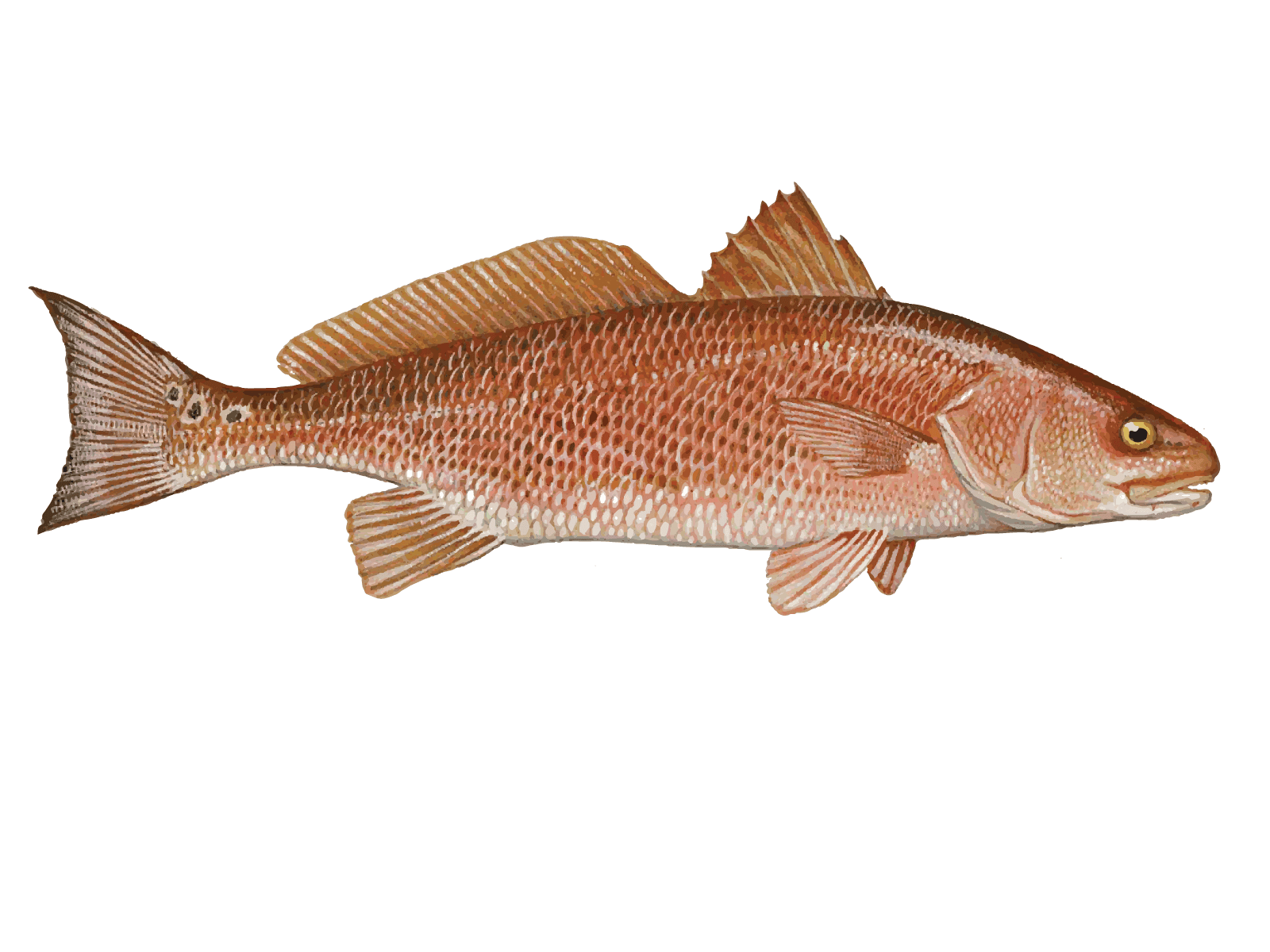
Redfish are the bread and butter of inshore fishing around Tarpon Springs, and for good reason. These copper-colored fighters average 18 to 27 inches in these waters, with plenty of slot-sized fish that are perfect for the dinner table. Reds are year-round residents, but they're most active during the cooler months from October through April when water temperatures drop into the 60s and 70s. What makes them so exciting to target is their feeding behavior – you'll often see them tailing in shallow water as they root around in the grass for crabs and shrimp. The visual aspect of watching a red's tail break the surface, making your cast, and seeing the fish eat your bait is pure fishing magic. They're also notorious for their bulldogging fights, making long runs and using their broad tails to pull drag.
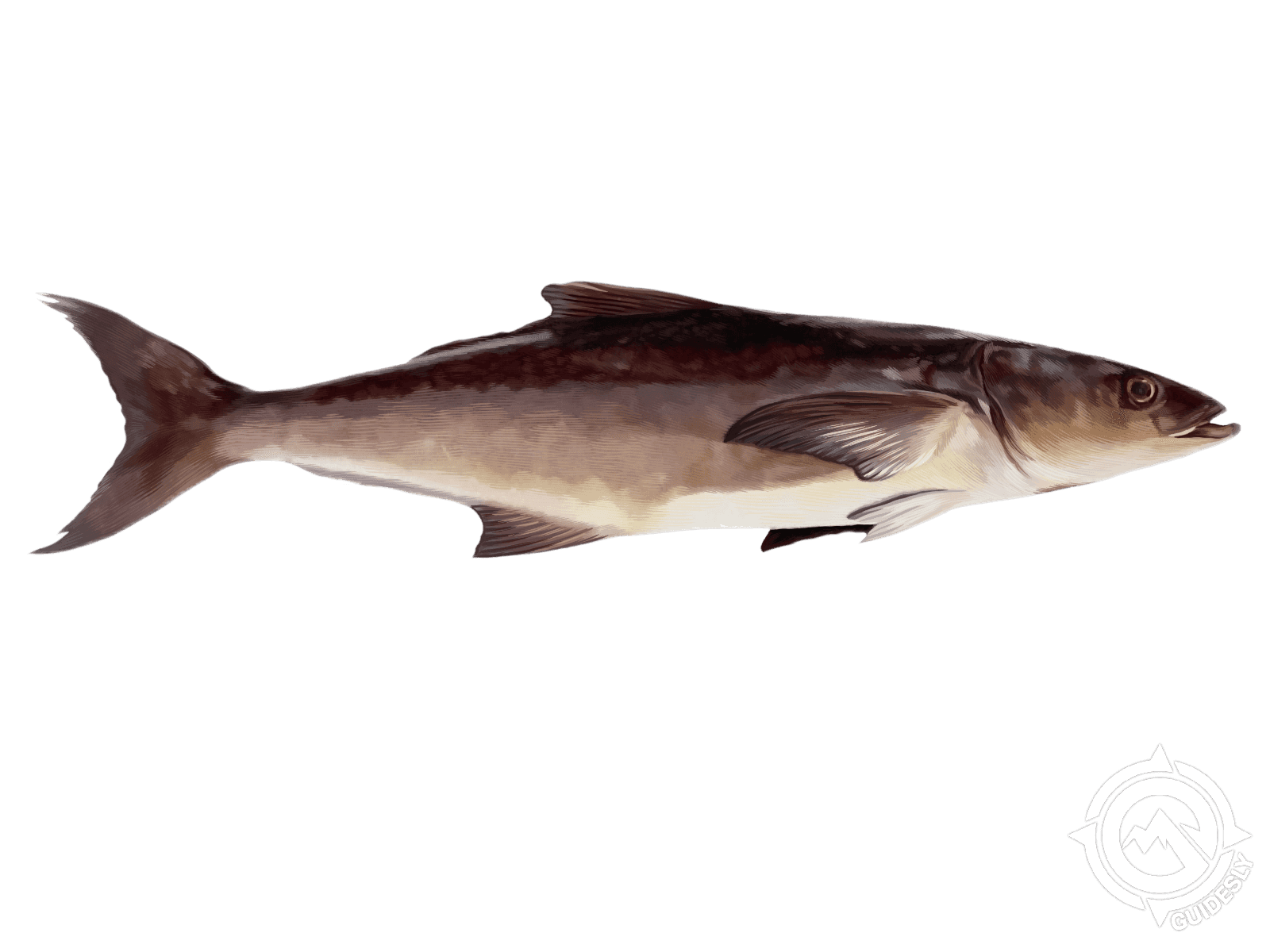
Cobia are the wild cards that can make your entire trip. These brown sharks, as some locals call them, are curious fish that often approach the boat, giving you shots at fish in the 20 to 40-pound range. Peak cobia season runs from March through June when they're migrating along the coast, but you can find them year-round around structure like channel markers and crab trap floats. What's really exciting about cobia fishing is that they're sight feeders – your captain will spot them cruising near the surface, and you'll get to make targeted casts to individual fish. They're also excellent table fare, with white, flaky meat that tastes similar to mahi-mahi.
Spotted weakfish, or speckled trout as they're known locally, are the perfect light tackle species. These fish are abundant in the grass flats around Tarpon Springs, especially during the spring and fall months when water temperatures are in the 70s. Specks are structure-oriented fish that love to ambush baitfish around oyster bars and drop-offs. They're incredibly fun on light tackle, with a tendency to jump and shake their heads when hooked. The state record speckled trout came from these very waters, so you never know when you might hook into a true trophy.
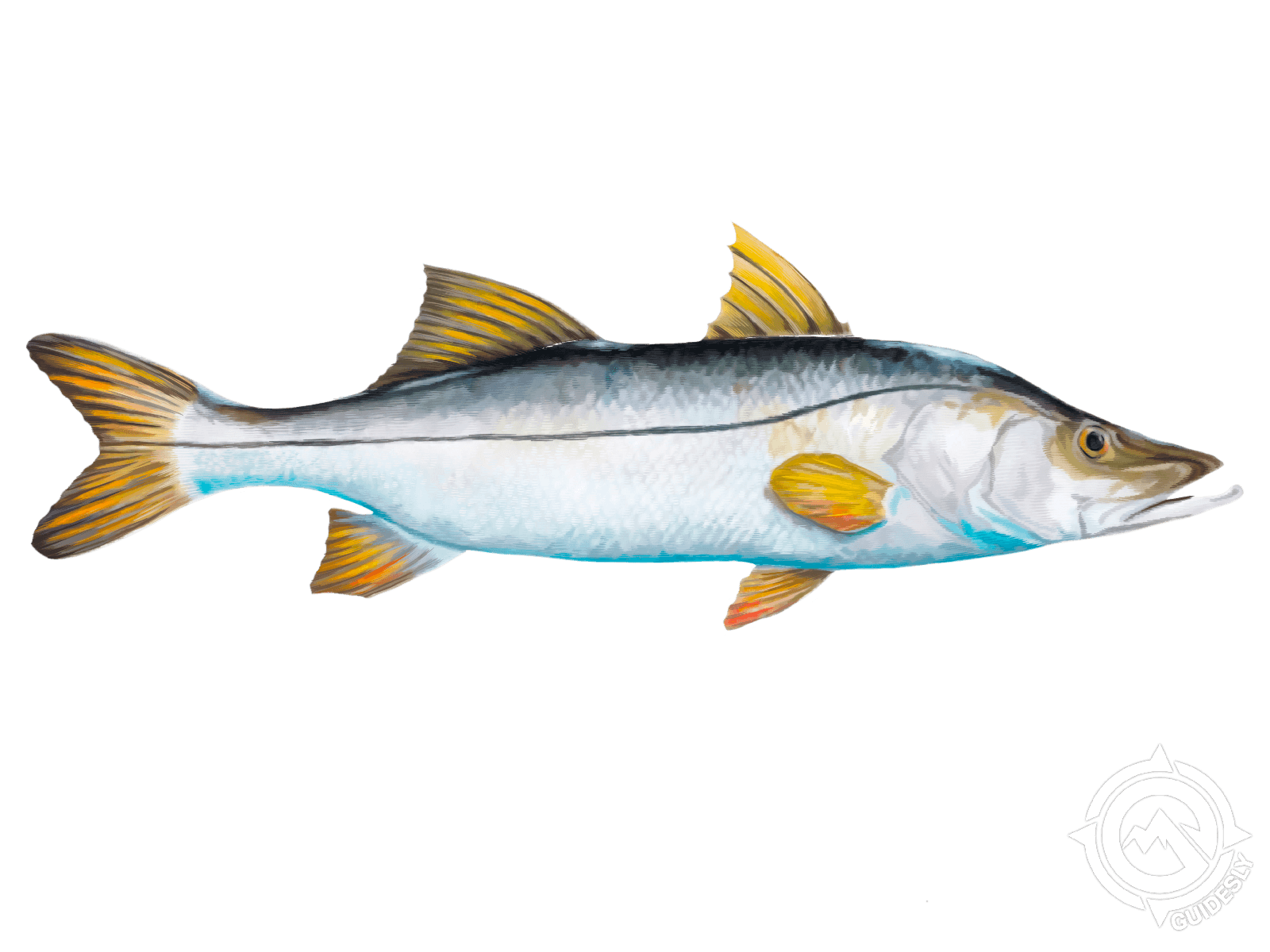
Snook are the crown jewel of Florida inshore fishing, and the waters around Tarpon Springs hold some beautiful fish. These ambush predators love to hang around mangrove shorelines, dock pilings, and bridge structures where they can dart out to grab unsuspecting baitfish. Snook are seasonal due to regulations – the season typically runs from September through December and March through May, but catch-and-release fishing is always allowed. What makes snook so special is their explosive strike and acrobatic fights. They're known for their gill-rattling jumps and their ability to throw hooks with their hard mouths. Even if you can't keep them, the experience of hooking a slot snook in shallow water is something every angler should experience.
Time to Book Your Spot
This half-day morning charter represents some of the best inshore fishing Florida has to offer, all
Learn more about the species
Cobia
Cobia are the bulldogs of our inshore waters - big, brown, and built for battle. These fish average 20-40 pounds but can hit 60+ pounds, making them serious tackle testers. You'll find them cruising around structure like channel markers, wrecks, and even following rays in 15-30 feet of water. Spring migration from March through May is prime time when they're moving through our area to spawn. What guests love about cobia is their curious nature and bulldogging fight - they'll come right up to the boat to investigate, then take off like a freight train when hooked. The meat is top-shelf too, firm and clean tasting. My go-to tip for cobia: when you see one following a ray, cast a bucktail jig just ahead of the ray's path. The cobia thinks it's stealing an easy meal and usually can't resist.
Redfish
Redfish are one of our most reliable targets here in the shallows around Tarpon Springs. These copper-colored beauties with their signature black spots near the tail typically run 18-28 inches, though we see plenty of oversized bulls pushing 40+ inches. They love cruising our grass flats in 1-4 feet of water, especially around oyster bars and mangrove edges. Spring through fall gives us the best action when water temps are warm. What makes redfish so popular is their aggressive strike and powerful runs - they'll peel drag and make your arms burn. Plus, they're fantastic eating with that mild, sweet flavor. Here's a local trick: when you spot one tailing in skinny water, cast your bait well ahead of where they're moving, not right at them. They spook easily but once hooked, they'll give you a fight to remember.
Snook
Snook are the ultimate inshore gamefish - smart, aggressive, and absolutely beautiful with that distinctive black lateral line. Most range 18-30 inches, but the big females can push 35+ inches and really test your drag. They're ambush predators that love hanging around mangrove shorelines, docks, and bridge pilings in 2-20 feet of water. Warmer months from May through September are peak season, especially during their spawning runs. What makes snook special is their explosive topwater strikes and acrobatic fights - they'll jump, run, and try every trick to throw your hook. The meat is white, flaky, and delicious too. Here's something most people don't know: snook are incredibly temperature sensitive. When it's cold, they get sluggish and move to deeper holes. Target the warmest water you can find, like canal mouths or areas with dark bottom that absorb heat.
Spotted Weakfish
Spotted weakfish, or speckled trout as we call them locally, are perfect light-tackle targets that love our grass flats and drop-offs. Most run 12-16 inches, but we regularly see 20+ inch gator trout that really bend the rod. They hang around seagrass beds, oyster bars, and deeper potholes in 3-15 feet of water. Cool mornings and evenings during spring and fall produce the best fishing when they're actively feeding on shrimp and small baitfish. Guests enjoy them because they hit topwater lures with explosive strikes and taste great on the dinner table. Fair warning though - they have soft mouths, so you'll lose some if you horse them. The key is using a slow, steady retrieve with soft plastics or topwater plugs. When one hits, resist the urge to jerk hard - just lift the rod tip and let the hook set itself.
About the Florida Snook Charters
%2F%2Fusers%2Fcb97fdb7-43d3-4051-8992-9e699c683f72%2Fvehicle_picture%2Fboat.jpg&w=1920&q=75)
Vehicle Guest Capacity: 4
Manufacturer Name: Mercury Pro Verado
Maximum Cruising Speed: 28
Number of Engines: 1
Horsepower per Engine: 350